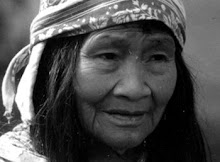
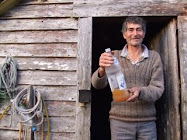
South America, North Argentina, Mision Tacaagle.
Once pushed out from their original home lands,
the Toba community has now settled
on the land officially given to them by government.
Once pushed out from their original home lands,
the Toba community has now settled
on the land officially given to them by government.

In the old days Toba people were nomads.
While men were fishing and hunting,
women were gathering plants and looking after children.
Times have changed and Tobas live differently now.
As there are less animals and fish, they are more involved in agriculture.
The Toba women look after children, cook,
wash clothes and do many more things while men are out.
While men were fishing and hunting,
women were gathering plants and looking after children.
Times have changed and Tobas live differently now.
As there are less animals and fish, they are more involved in agriculture.
The Toba women look after children, cook,
wash clothes and do many more things while men are out.

Nowadays Tobas live in communities and share the land.
Houses are built from palm trees and each house can host one or more families.
Houses are built from palm trees and each house can host one or more families.

Pace of life in the community is slow.
People spend a lot of time together, talking, drinking mate or just observing.
The language they speak among each other is also called Toba.
However, it is a dying language and Toba people remember with sadness
that they were not allowed to speak their mother tongue at school.
People spend a lot of time together, talking, drinking mate or just observing.
The language they speak among each other is also called Toba.
However, it is a dying language and Toba people remember with sadness
that they were not allowed to speak their mother tongue at school.

Tobas have large families with a lot of children (6-7 on average).
During the day you see a lot of childern playing and looking after each other.
During the day you see a lot of childern playing and looking after each other.
 Some would say that this is 100% organic lifestyle.
Tobas grow most of the food they need,
as well as get most building materials and tools from the nature.

Observing and thoughtful, 83 years old Jose Roca Castorini is
casique or chief of Toba community in Mision Tacaagle.
He makes major decisions together with counsel of other men of community.
His son will take over his duties from him as in many communities this position is inherited.
casique or chief of Toba community in Mision Tacaagle.
He makes major decisions together with counsel of other men of community.
His son will take over his duties from him as in many communities this position is inherited.

Delia Sanchez is 38 years old and has 7 children.
She is a real soul of the house and she
loves to make handicrafts and look after her children.
She is a real soul of the house and she
loves to make handicrafts and look after her children.

Toba women know how to make textiles and decors from colorful wool threads,
traditional bags, and baskets from the leafs of the native palm tree (called carandilla).
They are used for house needs, given as presents or sold to provide family needs.
traditional bags, and baskets from the leafs of the native palm tree (called carandilla).
They are used for house needs, given as presents or sold to provide family needs.

Often centre and meeting point of Toba community is
the local church where people meet,
discuss latest news, spend time together.
the local church where people meet,
discuss latest news, spend time together.
 Tobas -one of the largest indigenous groups in Argentina-
around 48 thousand tobas mainly living in Northern provinces. Yearly there is a day of Friendship when people from neighboring
Toba communities come together- to share laughter, food and joy. To a stranger they are like hiding pearls - close and trustless at the first glance,
but once befriended- open and incredibly beautiful
.